
Curd - A Probiotic Superfood or just a Comfort Food
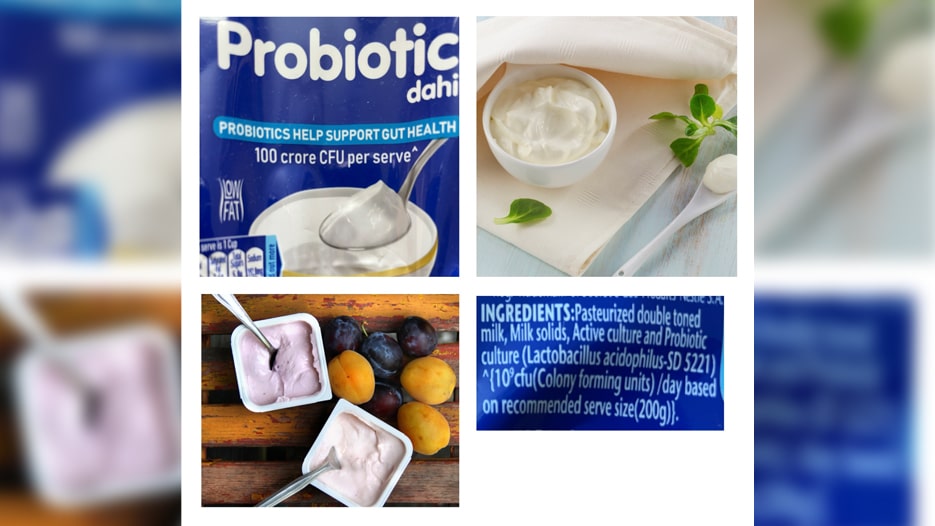
Like wine, bread, and tea, yogurt is one of those happy accidents of history without which human civilization would be unthinkable now. Thousands of years ago, probably in Central Asia, the fortuitous combination of warm temperatures and naturally occurring strains of Lactobacillus bacteria set milk into a firm consistency. Some bold ancestor discovered it was pleasantly sour to taste, and mankind has never looked back.
In India, yogurt is called curd and is one of the comfort foods of Indian cuisine. RK Narayan was fond of saying, “I am happy with curd rice and lime pickle…the sound of curds falling on a heap of rice is the loveliest sound in the world.” This is a sentiment many Indians probably share and identify with.
Curd also serves a deeply practical purpose: most Indian adults are lactase-deficient and cannot digest milk, and the bacteria in curd help digest lactose in milk.
The fact that yogurt is a food teeming with living organisms raised speculation about its health properties throughout history, especially in the early 20th century. Metchnikoff, a Russian-born Nobel winner in Medicine, gave a talk at the Pasteur Institute in 1904, in which he argued that disease and old age resulted from bad bacteria in intestines, and yogurt added good bacteria to our gut. To live longer, eat yogurt was his simple advice.
This talk set off the probiotic age. We now know that Metchnikoff was largely right. The human body is host to 75 trillion to 200 trillion individual organisms, mostly bacteria, collectively called the microbiome. They vastly outnumber our own cells, which are between 50 to 100 trillion cells. Modern research suggests our health is profoundly affected by the number and type of organisms we host in our microbiome. Good bacteria potentially can reduce the risk of many ailments, ranging from obesity and autoimmune diseases to cancer.
Which is where probiotics and curd/yogurt come in…since curd is mostly made at home with live cultures that contain Lactobacillus bulgaricus or acidophilus and Streptococcus thermophilus, which are “good bacteria”, traditional curd is now often touted for its probiotic qualities.
But…. although this may sound like quibbling over semantics, not all curd is probiotic, technically speaking.
The craze to label everything containing bacteria as “probiotic” led to all kinds of dubious claims being made about commercially packaged foods. In 2001, the Food and Agriculture Organization of the United Nations and the WHO (FAO/WHO) stepped in with a definition of a probiotic— “live microorganisms which when administered in adequate amounts confer a health benefit on the host” to standardize terminology.
In practice, this means that a food labeled as “probiotic” must contain live organisms (from the general Lactobacillus, Bifidobacterium, Saccharomyces, Streptococcus, Enterococcus, Escherichia, and Bacillus) that survive passage through the stomach and reach the intestine in sufficient numbers to exert a health benefit.
Not all foods that contain live organisms- cheese or kimchi, for example, contain these proven probiotic organisms.
Commercially manufactured yogurt labeled as probiotic contains 1 to 10 billion bacteria (CFU) per unit weight.
But what about the curd that we’ve all grown up with at home? The sourer the curd, the more bacteria per gram it contains. Chances are that homemade curd contains good bacteria, but we cannot be sure of the type of organism and whether they are present in sufficient numbers to be healthful. Therefore, it may not be right to label it as probiotic.
But one should not worry too much about that. The human microbiome is nurtured over decades, and every bit helps. Good health is the result of dietary and lifestyle habits established over years, and our culture (no pun intended) of having fermented milk adds to our health and longevity.
So, whether it’s plain dahi, raita or sour buttermilk, have some curd daily. Our ancestors (as well as modern scientists) would certainly approve!
1 Replies to “Curd - A Probiotic Superfood or just a Comfort Food”
Leave a Reply